

Het is een helder voorbeeld van zwarte removal. Vernietigen werkt niet op een creature met indestructible; de precieze werking van je antwoord blijft belangrijk. Illustratie: Sam Wolfe Connelly · Kaart bekijken
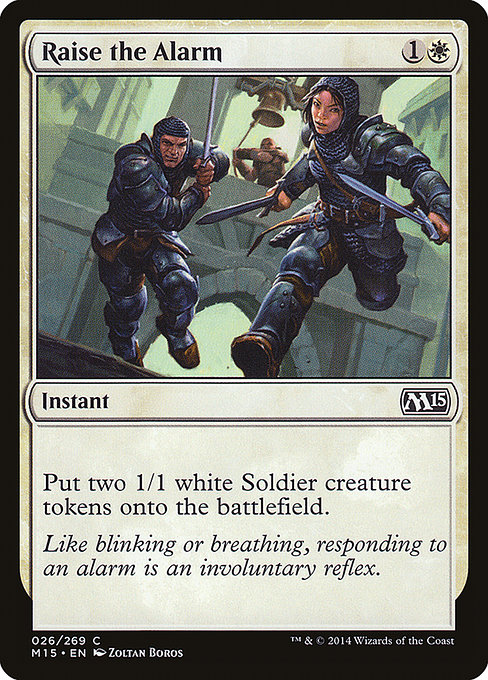
Raise the Alarm
Kleine creatures worden een leger
Deze instant maakt twee witte 1/1 Soldier-tokens. Op zichzelf zijn ze bescheiden. In een deck dat tokens beloont of het hele team versterkt, kunnen twee extra bodies veel betekenen.

Serra Angel
Aanvallen en beschikbaar blijven
Serra Angel laat twee herkenbare abilities zien: flying en vigilance. Door vigilance tapt ze niet wanneer ze aanvalt. Blijft ze ongetapt, dan kan ze later ook een blocker zijn.
Wit past bij je als je plezier hebt in samenwerken tussen je eigen kaarten, een leger opbouwen en belangrijke stukken beschermen. Tokens zijn een begrijpelijk vertrekpunt; witte decks kunnen daarnaast ook heel technisch spelen.
Deze kleur in een kant-en-klaar deck: Calling All Angels zet Angels centraal en laat je wit verkennen via een herkenbaar creature-thema.
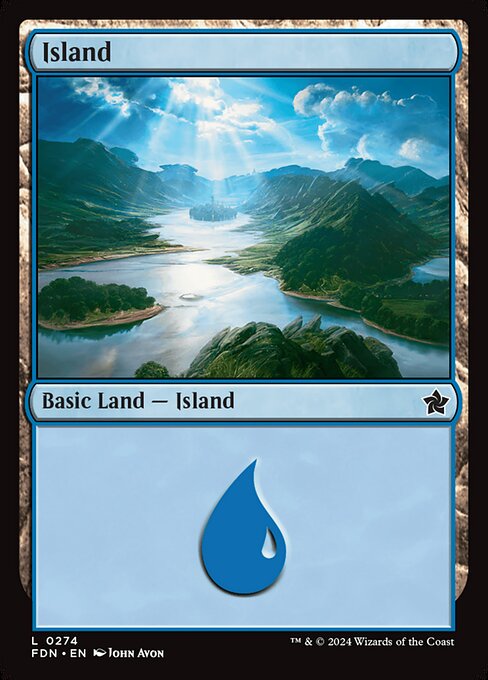
Art: John Avon
02 · BLAUW · U
Blauw: kennis geeft je opties
Kaarten selecteren, het juiste moment afwachten en onverwachte oplossingen vinden.
Blauw gelooft dat je jezelf en de wereld kunt verbeteren door te leren. Onderzoek, voorbereiding en de juiste hulpmiddelen maken nieuwe mogelijkheden bereikbaar. Daarom passen Wizards, uitvindingen, illusies en raadselachtige Sphinxes zo goed bij deze kleur.
In een potje geeft blauw je vaak meer keuzemogelijkheden: kaarten trekken, de bovenkant van je library ordenen, een spell counteren of een permanent terug naar de hand sturen. Je probeert te begrijpen welke dreiging ertoe doet en wanneer je moet ingrijpen.
Blauw kan ook zelf druk zetten
Een control-deck is maar één mogelijkheid. Blauwe decks kunnen aanvallen met Merfolk, evasive creatures gebruiken die moeilijk te blokkeren zijn, of een leger tokens maken terwijl je instants en sorceries speelt. Ook het kopiëren van kaarten en het samenwerken met artifacts bieden veel verschillende plannen.
Timing is vaak je grootste hulpmiddel én je lastigste keuze. Mana openhouden voor een antwoord betekent dat je die mana nog niet ergens anders aan besteedt. Blauw heeft veel tijdelijke oplossingen, zoals bounce; een permanent definitief opruimen kan om een andere aanpak vragen.
Herkenbare creature types: Merfolk, Wizards, Sphinxes, Drakes en Leviathans. Een Wizard is bijvoorbeeld een creature type, terwijl flying een ability is.
Drie blauwe kaarten, drie manieren om voordeel te bouwen
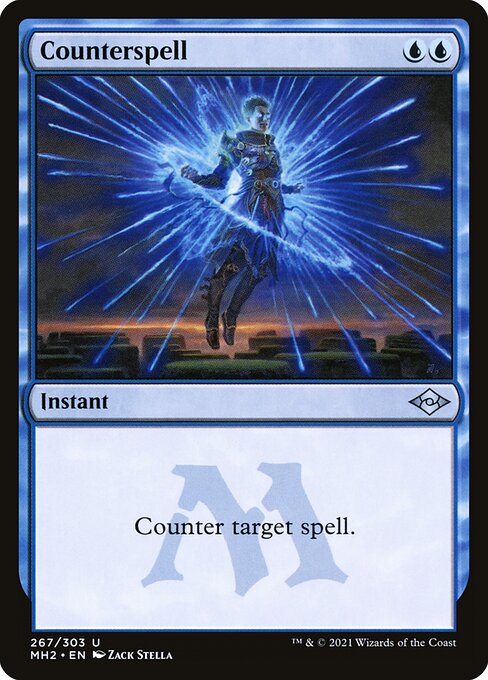
Counterspell
Ingrijpen voordat iets op tafel ligt
Counterspell kan een spell op de stack counteren. Dat vraagt een geschikt moment en twee blauwe mana. Een creature dat al op het battlefield ligt, haal je er niet alsnog mee weg.
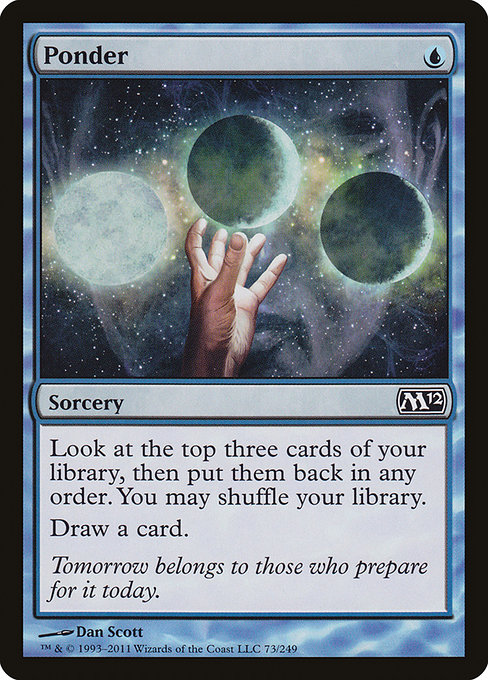
Ponder
Je volgende kaarten helpen plannen
Ponder laat je de bovenste drie kaarten bekijken en ordenen, met de mogelijkheid je library te schudden. Daarna trek je een kaart. Je krijgt vooral meer invloed op wat je gaat vinden.
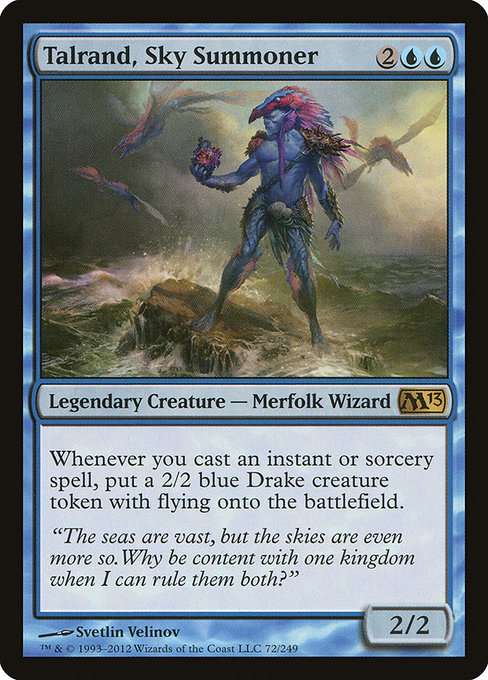
Talrand, Sky Summoner
Je spells bouwen een luchtmacht
Bij iedere instant of sorcery die je cast, maakt Talrand een vliegende 2/2 Drake-token. Zo kan een deck dat veel met spells bezig is toch via creatures winnen.
Blauw past bij je als je graag vooruitdenkt, met informatie speelt en keuzes afweegt. Voor een eerste blauw deck kan een zichtbaar creature-plan houvast geven terwijl je de timing van je spells leert.
Deze kleur in een kant-en-klaar deck: Keen Engineering is een blauw artifact-deck. Dat geeft een andere kennismaking met de kleur dan een deck dat vooral counterspells speelt.
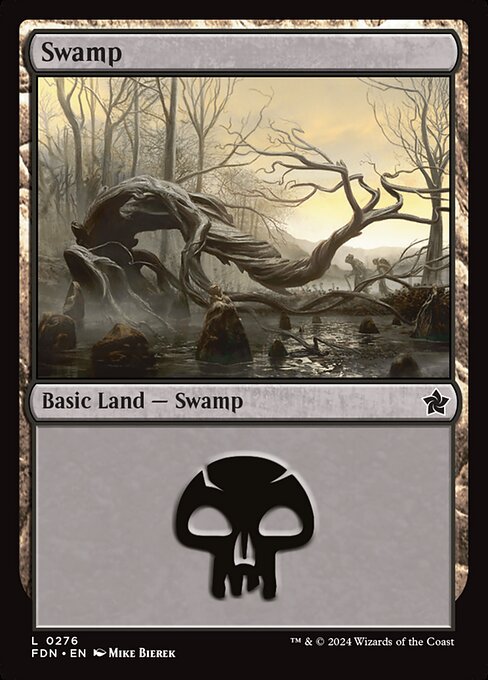
Art: Mike Bierek
03 · ZWART · B
Zwart: wat heb je ervoor over?
Ambitie, zelfstandigheid en de bereidheid middelen in macht om te zetten.
Zwart wil grip op het eigen lot. Het zoekt naar mogelijkheden om te krijgen wat het nodig heeft en accepteert daarbij kosten waar andere kleuren voor terugdeinzen. Levens, creatures en zelfs de graveyard worden middelen die je kunt inzetten.
Dat levert een herkenbare speelervaring op. Je kunt levens betalen om kaarten te trekken, creatures opofferen voor beloningen, een tegenstander kaarten laten discarden of een groot creature uit een graveyard terugbrengen. Het interessante zit vaak in de ruil: wat lever je in en wat krijg je daarvoor terug?
Een prijs betalen vraagt een plan
Zwart is goed in het opruimen van creatures en het hergebruiken van wat verloren leek. Maar je eigen middelen zijn eindig. Veel kaarten trekken helpt weinig als je daarna geen tijd meer hebt om ze te spelen. En een graveyard-engine kan flink haperen wanneer iemand die graveyard weghaalt. Zorg dat je deck ook zonder de ideale ruil kan functioneren.
Herkenbare creature types: Zombies, Vampires, Demons, Skeletons en Rats. De duistere uitstraling geeft veel smaak aan de kleur, maar de filosofie gaat breder over ambitie en zelfbeschikking.
Drie zwarte kaarten waarin de ruil zichtbaar wordt
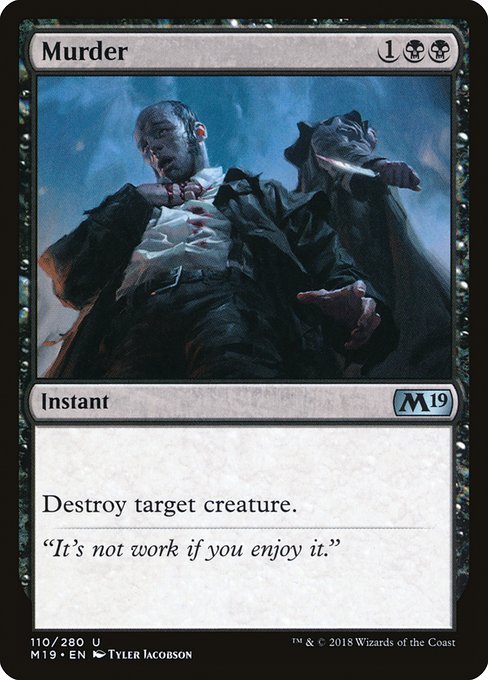
Murder
Een creature gericht verwijderen
Murder vernietigt een gekozen creature. Het is een helder voorbeeld van zwarte removal. Vernietigen werkt niet op een creature met indestructible; de precieze werking van je antwoord blijft belangrijk.
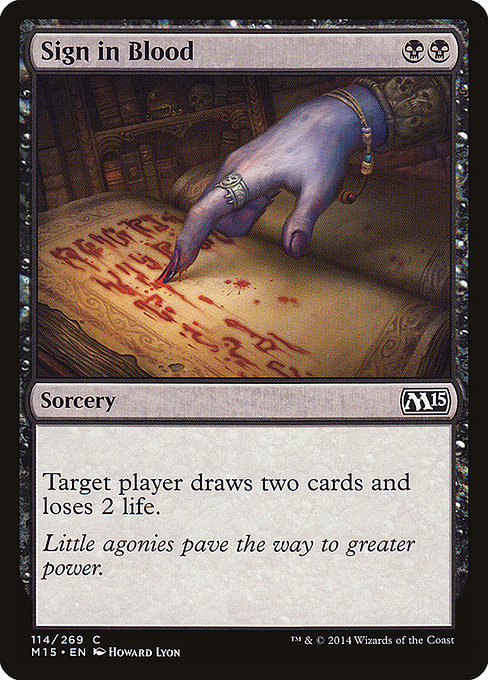
Sign in Blood
Cards cost life
A chosen player draws two cards and loses two life. You can choose yourself to get more options. This immediately shows why black life is also treated as a spendable resource.
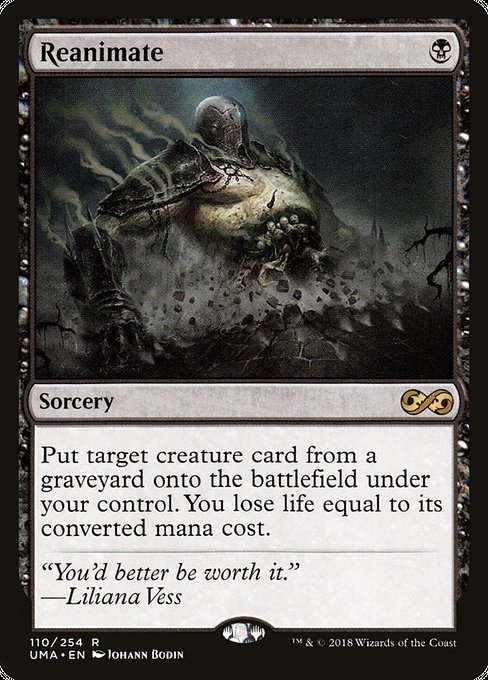
Reanimate
A graveyard becomes a pool of possibilities
Reanimate brings a chosen creature card from a graveyard back to the battlefield under your control. You lose life equal to the mana value of that card. A cheaply cast spell can therefore still have a hefty price.
Black suits you if you like to see possibilities in lost cards and enjoy clever trades. A sacrifice deck can have many triggers; a simpler creature or Zombie plan can offer a calmer start.
This color in a preconstructed deck: Wretched Ranks combines Zombies with sacrifice and reuse. With this strategy, keep a close eye on which creatures and effects help each other.
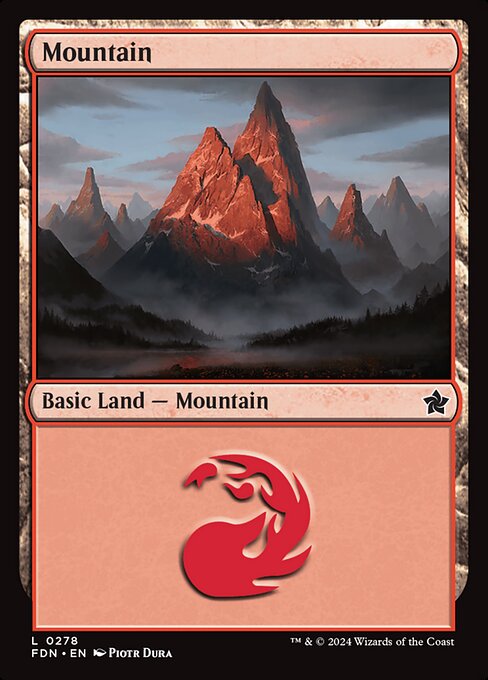
Art: Piotr Dura
04 · RED · R
Red: feel it, do it
Freedom, passion, and magic that immediately puts something at stake.
Red listens to feeling. Freedom is important because you need space to act according to what your heart tells you. That can result in anger and destruction, but also courage, love, creativity, and resistance against oppression.
At the table, you see that energy reflected in direct damage, haste, extra attacks, and explosive turns. Some red decks want to put pressure from the start. Others build around Dragons, copying spells, artifacts, or temporarily available cards from exile.
Playing fast still means making choices
A damage spell can remove a blocker or hit a player. Which choice helps your plan the most? In multiplayer Commander, there are also multiple opponents with a lot of life facing you. Simply dealing a little damage to one player over and over is then not a given win route.
Red can generate a lot of tempo, but temporary effects and cards from exile require attention to deadlines. Save enough fuel to continue after the first attack.
Recognizable creature types: Goblins, Dragons, Phoenixes, Elementals, and Minotaurs. Red decks can therefore have both a large army of small creatures and a few enormous flying threats.
Three red cards with a different kind of pressure
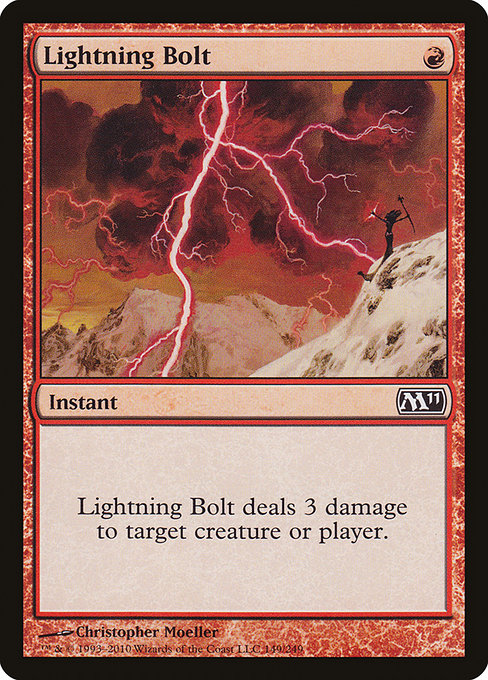
Lightning Bolt
One spell, multiple possible targets
Lightning Bolt deals three damage to a chosen legal target, such as a creature, player, or planeswalker. You choose whether to remove a threat or use the damage for your own attack.
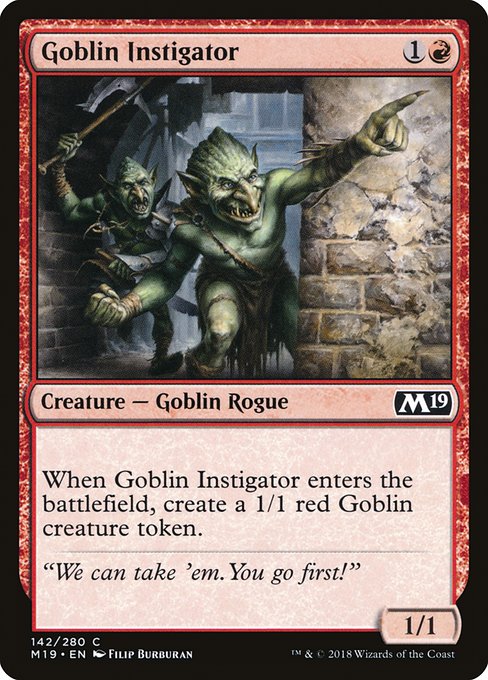
Goblin Instigator
Two bodies from one creature
When Goblin Instigator enters, it creates an additional 1/1 Goblin token. That helps build a wide army and shows that red can also play with tokens and creature synergy.
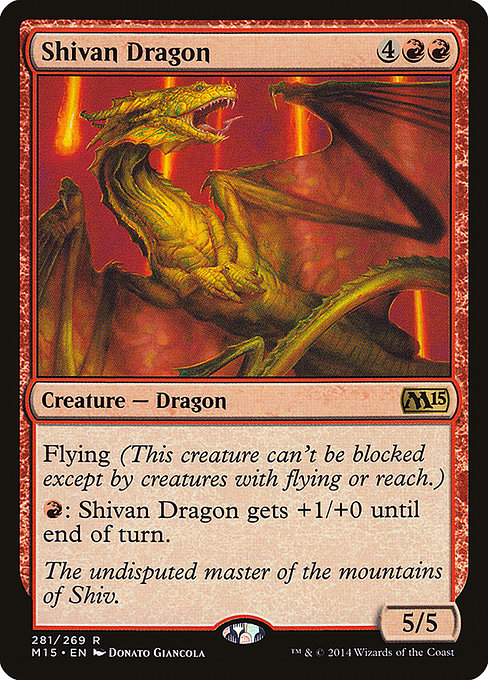
Shivan Dragon
A large threat that can take extra mana
Shivan Dragon has flying. For every red mana you spend on its ability, it gets one additional power temporarily. You choose how much mana you put into the attack and how much you keep.
Red suits you if you like taking initiative, playing aggressively, and enjoy spectacular moments. If you mainly want to play Dragons, also look at how the deck generates enough mana for those large creatures.
This color in a preconstructed deck: Reign of Dragons lets you explore red with Dragons as the main theme. With such a deck, also look at your early mana and opening hand.
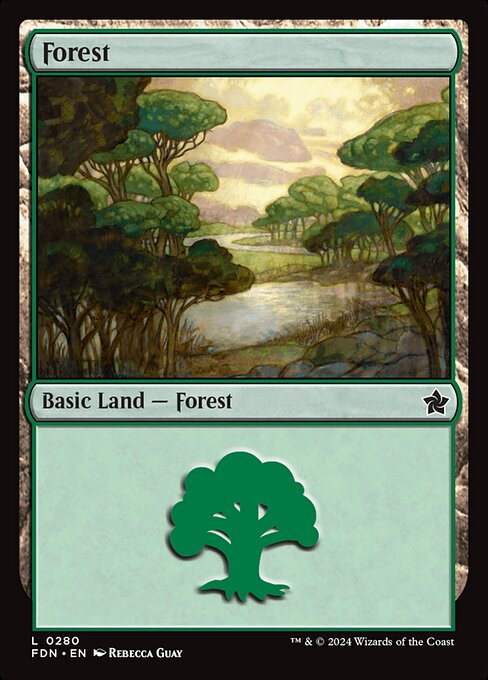
Art: Rebecca Guay
05 · GREEN · G
Green: grow from what is already there
Nature, connection, and trust in the power of life.
Green sees the world as a cohesive whole. Every being has a place in the larger system. Growth comes from your nature and your connection with the environment. The color therefore suits primeval forests, old traditions, and creatures that barely seem to fit on the battlefield.
In the game, green often helps you generate more mana, find lands, and play powerful creatures. You also see +1/+1 counters, landfall, and card advantage connected to creatures. Starting small can grow into a battlefield that the rest of the table has to take into account.
Getting bigger is a means to win
Green can build up an impressive amount of mana and power. You must then convert those resources into an effective attack. Trample, protection, and card advantage help prevent one small blocker or one removal spell from shutting down all your work.
Many green creature removal effects make your own creatures fight or deal damage. Without a suitable creature, such an answer can be less useful. And after a board wipe, a green deck also wants to be able to find cards and threats again.
Recognizable creature types: Elves, Beasts, Hydras, Wurms, Dinosaurs, and Treefolk. Nature in Magic includes both small mana helpers and enormous predators.
Three green cards: resources become a threat
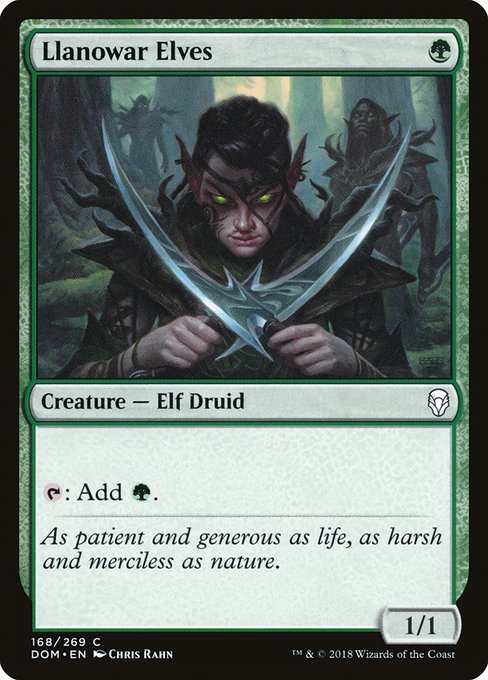
Llanowar Elves
A creature that helps your mana grow
This Elf can tap for one green mana. This gives you an extra mana source alongside your lands. Because it is a creature, summoning sickness applies: normally you cannot use that tap ability in the turn the Elf enters.
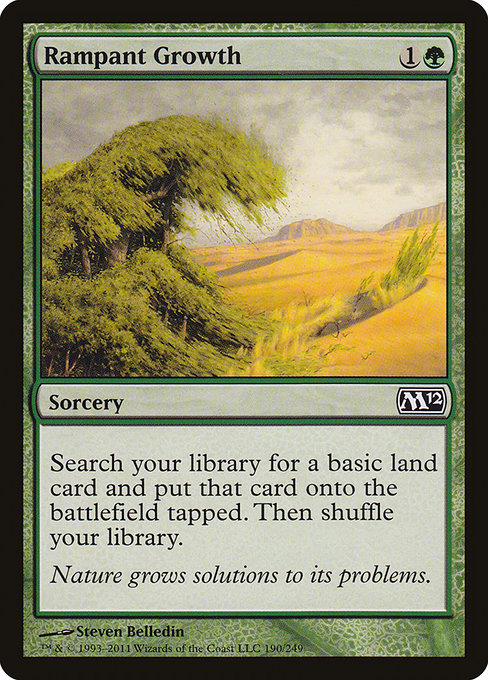
Rampant Growth
An extra land on the battlefield
Rampant Growth searches for a basic land and puts it tapped onto the battlefield. That gives extra mana later and can help find a missing color. That extra land card is something different than just making your regular land drop.
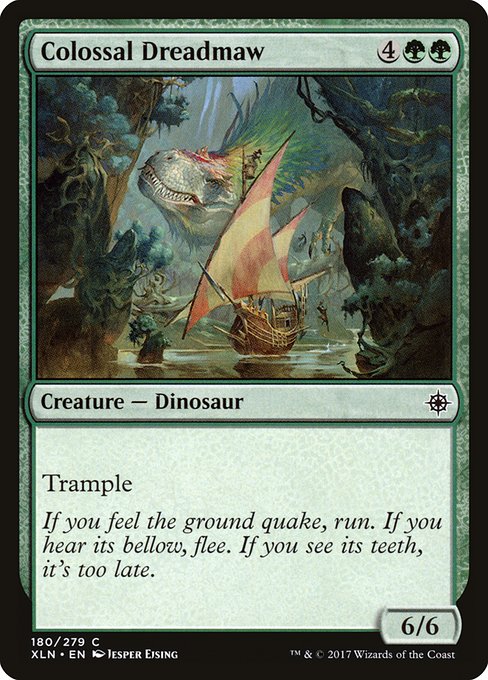
Colossal Dreadmaw
Power gets a route through blockers
This Dinosaur is a 6/6 with trample. When assigning combat damage, damage that remains after the blockers have been assigned sufficient damage can go through to what you are attacking. So trample actually helps a large creature put pressure.
Green suits you if you like building visibly, playing large creatures, and letting your resources grow further and further. A straightforward creature plan can be nice to start with; landfall and counter engines can require a lot more administration.
This color in a preconstructed deck: Tramplesaurus Rex gives a green creature plan a very recognizable goal: build large threats and attack with them.
What happens when you combine colors?
Two colors bring together different tools and ideas. Green can help you pay for large spells, while blue lets you find more cards. White can protect an army that red quickly lets attack. The precise combination is formed by your cards, commander, and chosen strategy.
Players often use the names of the ten guilds of Ravnica for two-color decks. In the lore, those guilds are organizations on a world that consists largely of a city. In a deck discussion, the name is usually a convenient abbreviation for the colors.
| Colors | Name | A possible direction |
|---|---|---|
| White + blue | Azorius | Flying, blink, or control |
| White + black | Orzhov | Life, sacrifice, or bringing back |
| Blue + black | Dimir | Graveyards, evasive creatures, or control |
| Blue + red | Izzet | Instants, sorceries, and spell synergy |
| Black + red | Rakdos | Sacrifice, attacking, or life loss |
| Black + green | Golgari | Graveyards, creatures, and reuse |
| Red + green | Gruul | Ramp, large creatures, and combat |
| Red + white | Boros | Attacking, tokens, or Equipment |
| Green + white | Selesnya | Tokens, counters, or enchantments |
| Green + blue | Simic | Ramp, counters, or creatures |
These are examples of deck directions. A color combination does not prescribe a fixed strategy. Guilds and their uses can differ per story.
Which MTG color suits you?
First choose an action that makes you happy. Do you want to let your army grow? Solve a difficult situation? Or always bring something back from your graveyard? This way you find a suitable playstyle faster than when you only look at a color or a highly regarded card.
Start with white, green, or a combination thereof. Look at tokens and creature synergy.
Look at blue. Flying creatures can give a clear plan while you learn the interaction.
Look at black and black-green. Read how many graveyard and sacrifice effects you need to keep track of.
Look at red, red-white, or red-green. Then choose between a wide army, Equipment, or large creatures.
Green often helps with mana. For Dragons, red-green can be an attractive starting point.
Start with that enthusiasm. Elves, Zombies, Merfolk, or Dragons can then lead you to colors and decks.
My advice: choose a clear plan for your first deck that you would like to perform again and again. One color keeps your mana base manageable, but even decks within a single color can be complex. The number of triggers, decisions, and different zones says at least as much about the difficulty.
From favorite color to your first deck
In the beginner selection, compare pre-built Commander decks by playstyle and ease of learning. This way, you can continue searching from your favorite color for a deck that is enjoyable to play.
Compare Commander precons for beginners →Want to view the selection right away? Go to the Commander decks at SpellArmory. The decks mentioned are examples to explore a color. The product pages show the current price, availability, and any pre-order information. You can also build your own: follow the step-by-step guide for building a Commander deck.
Frequently asked questions about Magic colors
Is blue always control and red always aggro?
Colors support multiple plans. Blue, for example, can attack with Merfolk or flying tokens. Red can also play large Dragons or build a spell engine. The overall nature of your deck determines your strategy.
Which color is easiest for beginners?
A clear creature plan with few complex triggers is often a nice start. This can be found in white, red, and green, among others. Timing, card choices, and the number of things you need to keep track of weigh more heavily than the color alone.
Is colorless a sixth color?
Magic has five colors. Colorless mana is a different type of mana. Wastes, for example, is a basic land that produces colorless mana and is none of the five basic land types: Plains, Island, Swamp, Mountain, or Forest.
Can I play all five colors in one deck?
You can if your format and deck-building rules allow it and you use enough suitable mana sources. In Commander, every card must fit within the color identity of your commander. A five-color deck requires more attention to its mana base.
Do creature types only belong to one color?
Creature types can appear in multiple colors. A well-known association, such as Zombies with black or Elves with green, is not an exclusive rule. Look at the specific card and the synergy in your deck.
Can every card from this guide be in my deck?
The examples were chosen to clarify something. For your own deck, check the rules of your format and the current legality of every card. A card image in this guide is not a promise that the card is allowed in every format.
Sources, images, and accountability
The color philosophies are based on the explanation by Magic designer Mark Rosewater. The gameplay advice and selection guide are editorial examples from SpellArmory. The lore frameworks provide a brief introduction to well-known characters, without describing a complete timeline or their most recent story status.
- White: The Great White Way Revisited
- Blue: True Blue Revisited
- Black: In the Black Revisited
- Red: Seeing Red Revisited
- Green: It’s Not Easy Being Green Revisited
- Mechanical Color Pie: distribution of mechanics
- Wizards: game terms, colors, and basic land types
- Wizards: official game rules
- Magic Story: stories and worlds
- Scryfall: card data and images
Card text and card data were compared with Scryfall when compiled. Click on a card for the relevant printing. The images show existing Magic cards; cards and illustrations are © Wizards of the Coast and the mentioned illustrators. The explanation simplifies some situations for beginners; specific card text and game rules determine the outcome.